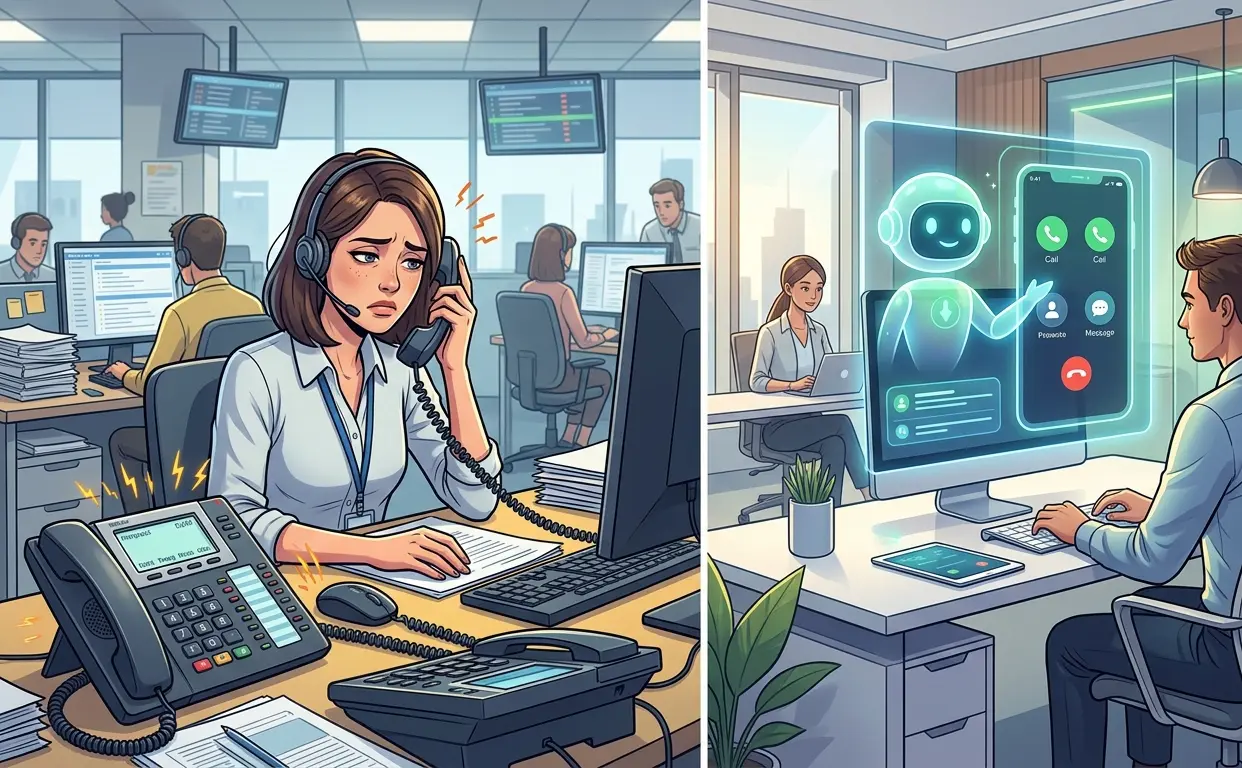
Every customer call represents an opportunity. It could be a prospective client looking for a quote, an existing customer seeking assistance, or someone ready to book a service. Yet, many businesses unknowingly lose these opportunities simply because they fail to answer the phone. While email and messaging apps have become popular communication channels, phone calls remain one of the fastest and most trusted ways customers connect with businesses.
In today's competitive marketplace, customers expect immediate responses. If their call goes unanswered, they rarely wait. Instead, they contact another company that is available to help. For businesses, this means lost revenue, reduced customer satisfaction, and missed opportunities to build long-term relationships.
Fortunately, advances in artificial intelligence are helping organizations address this challenge. Intelligent call handling solutions ensure every customer receives prompt attention, even outside regular business hours. This article explores why missed calls are so costly and how AI is transforming customer communication for businesses of all sizes.
Keep the conversation going.
New essays on voice, sound, and how we talk to machines—dropped straight into your inbox, never more than once a week.
The Hidden Cost of Missed Business Calls
Many organizations underestimate the financial impact of unanswered phone calls. A missed call is more than just a communication gap—it can represent a customer who was ready to make a purchase or schedule a service.
Some of the common consequences of missed business calls include:
- Lost sales opportunities
- Reduced customer confidencet
- Lower appointment bookings
- Negative first impressions
- Increased customer frustration
- Greater likelihood of customers choosing competitors
Unlike delayed email responses, unanswered phone calls often require customers to make another effort to reconnect. Many choose not to.
Why Customers Rarely Call Twice
Modern consumers value convenience. Whether they are searching for legal advice, booking a medical appointment, requesting home repairs, or comparing service providers, they usually contact multiple businesses.
When one company fails to answer, customers simply move to the next option.
Several factors influence this behavior:
Immediate Expectations
Customers expect businesses to be accessible when they reach out. Long wait times or unanswered calls often create the impression that the business is unavailable or disorganized.
Competitive Markets
Most industries offer customers numerous alternatives. If one company is difficult to reach, another is only a phone call away.
Time Constraints
Customers are busy. They prefer businesses that respond quickly and make interactions simple.
Because of these expectations, every unanswered call becomes a potential lost customer.
Common Reasons Businesses Miss Calls
Even well-managed businesses struggle to answer every incoming call.
Some of the most common reasons include:
Limited Staff
Small businesses often have employees performing multiple roles. During busy periods, answering every call becomes difficult.
Peak Call Volumes
High demand can overwhelm reception staff, causing customers to experience long wait times or disconnected calls.
After-Hours Inquiries
Customers frequently contact businesses during evenings, weekends, or holidays when offices are closed.
Simultaneous Customer Interactions
Employees assisting walk-in customers or attending meetings may be unable to answer incoming calls immediately.
These challenges are common across industries and highlight the need for more flexible communication systems.
Understanding the Value of Every Call
Every incoming call has potential business value.
Customers may be calling to:
- Request pricing information
- Book appointments
- Ask about products or services
- Confirm availability
- Resolve issues
- Make purchasing decisions
When these inquiries remain unanswered, businesses lose more than a single conversation, they lose opportunities to build trust and generate revenue.
The Long-Term Impact of Missed Call Leads
Not every missed call results in an immediate financial loss, but repeated communication failures can gradually damage a company's reputation.
Over time, missed call leads contribute to:
Reduced Conversion Rates
Potential customers who cannot reach the business often complete their purchase elsewhere.
Lower Customer Retention
Existing customers may feel neglected if they consistently struggle to receive assistance.
Negative Online Reviews
Poor communication frequently appears in customer feedback, influencing future purchasing decisions.
Declining Brand Trust
Reliable communication is closely associated with professionalism. Businesses that are difficult to reach may appear less dependable.
How Artificial Intelligence Changes Business Communication
Artificial intelligence is helping businesses overcome traditional communication challenges by providing immediate, intelligent responses to incoming calls.
Rather than directing callers through complicated menu systems or leaving them with voicemail, AI-powered solutions engage customers using natural conversations.
They can understand customer requests, provide accurate information, collect contact details, and transfer calls when necessary.
This creates a smoother and more professional customer experience.
Why Businesses Are Choosing AI Reception Solutions
An ai receptionist for business provides continuous customer communication without requiring additional staffing.
Unlike traditional receptionists, AI-powered systems can answer every incoming call regardless of call volume or time of day.
Key advantages include:
Instant Response
Customers receive immediate assistance instead of hearing voicemail or waiting for callbacks.
Consistent Availability
The system operates throughout the day, including evenings, weekends, and holidays.
Intelligent Conversations
AI understands customer questions and provides relevant responses naturally.
Appointment Scheduling
Customers can book or modify appointments without staff intervention.
Call Routing
Complex inquiries are transferred to the appropriate employee quickly and accurately.
Customer Call Automation Improves Efficiency
Businesses spend a significant amount of time answering repetitive questions.
Customer call automation helps manage routine inquiries efficiently while allowing employees to focus on tasks that require human expertise.
Examples of automated interactions include:
- Business hours
- Location information
- Service availability
- Appointment scheduling
- Frequently asked questions
- Order status updates
- Call transfers
Automating these conversations improves operational efficiency without sacrificing customer service quality.
Industries That Benefit Most
Nearly every industry depends on timely customer communication.
Healthcare
Medical practices can reduce missed appointments while ensuring patients receive prompt assistance.
Legal Services
Law firms can capture prospective client inquiries even outside office hours.
Real Estate
Property agencies can respond immediately to listing inquiries and schedule viewings.
Home Services
Electricians, plumbers, HVAC companies, and contractors can book appointments without missing urgent customer requests.
Hospitality
Hotels and restaurants can manage reservations and guest inquiries more efficiently.
Professional Services
Consultants, accountants, and financial advisors remain available to clients without increasing administrative workloads.
Supporting Employees Instead of Replacing Them
Artificial intelligence is designed to complement employees rather than replace them.
Routine conversations are handled automatically, allowing staff members to focus on:
- Complex customer issues
- Relationship management
- Sales consultations
- Strategic planning
- Business development
This balanced approach increases productivity while maintaining personalized service.
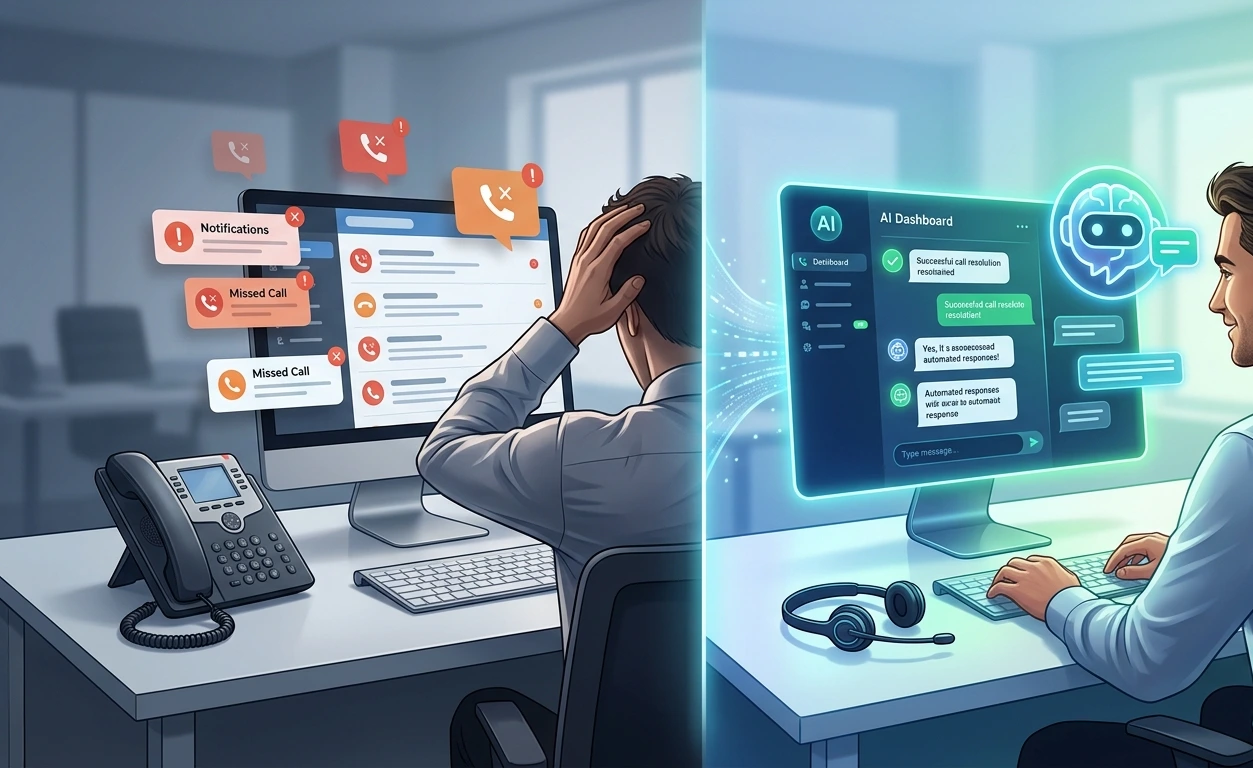
Measuring the Impact of Better Call Management
Businesses implementing AI-powered communication often notice measurable improvements across several areas
These may include:
- Higher call answer rates
- Increased appointment bookings
- Faster response times
- Improved customer satisfaction
- Better lead conversion
- Reduced administrative workload
Regular reporting and analytics also help businesses understand customer behavior and identify opportunities for further improvement.
Building Stronger Customer Relationship
Prompt communication demonstrates that a business values its customers' time.
When callers receive immediate assistance, they are more likely to:
- Trust the business
- Continue the conversation
- Return for future services
- Recommend the company to others
Consistent responsiveness plays an important role in building long-term customer loyalty.
Preparing for the Future of Customer Service
Customer expectations continue to evolve alongside advances in technology. Businesses that invest in intelligent communication tools today are better positioned to remain competitive tomorrow.
Artificial intelligence enables organizations to provide faster, more reliable, and more scalable customer support without significantly increasing operational costs.
As businesses continue to grow, effective communication will remain one of the most important drivers of customer satisfaction and business success.
Keep the conversation going.
New essays on voice, sound, and how we talk to machines—dropped straight into your inbox, never more than once a week.
Conclusion
Every unanswered phone call represents a missed opportunity to engage with a customer, generate revenue, or strengthen a business relationship. While missed business calls have traditionally been viewed as an unavoidable challenge, modern technology provides a practical solution.
An ai receptionist for business ensures customers receive immediate assistance, regardless of the time or call volume. Combined with intelligent customer call automation, businesses can reduce missed call leads, improve customer experiences, and operate more efficiently.
Organizations that prioritize responsive communication are more likely to build lasting customer relationships, increase conversions, and achieve sustainable growth in an increasingly competitive marketplace.
Frequently Asked Questions
1. Why are missed business calls harmful?
Missed business calls can result in lost sales, missed appointments, dissatisfied customers, and reduced trust, especially when customers choose competitors who respond more quickly.
2. What is an AI receptionist for business?
An AI receptionist for business is an intelligent virtual system that answers incoming calls, responds to customer inquiries, schedules appointments, and routes calls using natural conversations.
3. How does customer call automation improve business operations?
Customer call automation handles routine inquiries instantly, reduces employee workload, improves response times, and ensures customers receive assistance without unnecessary delays.
4. Can AI reduce missed call leads?
Yes. AI answers calls immediately, captures customer information, qualifies inquiries, and ensures potential leads are not lost due to unanswered phone calls.
5. Which businesses benefit the most from AI call handling?
Healthcare providers, legal firms, real estate agencies, hospitality businesses, home service companies, consultants, and many other service-oriented organizations benefit from improved communication and higher customer satisfaction through AI-powered call management.